Safe Handling of Pathological Waste
Pathological waste is a specialized medical waste stream that includes human or animal tissues, organs, and biopsy specimens removed during diagnosis, treatment, or research. It can also include materials that are visibly associated with these specimens, depending on your facility’s policies and local requirements. This waste stream shows up in more places than many teams expect: hospitals and surgery centers, physician offices performing minor procedures, dermatology and podiatry practices, dental and oral surgery clinics, veterinary hospitals, and laboratories that receive or process specimens.
Because February includes Presidents Day in the U.S., many facilities operate with adjusted staffing or holiday schedules. That’s exactly when clear procedures matter most. Pathological waste should never be treated like everyday trash or even routine regulated medical waste. It requires careful segregation, secure storage, and reliable scheduling so your team can maintain safe medical waste disposal without last-minute workarounds. A consistent medical waste management plan helps protect staff, supports patient trust, and keeps documentation organized when questions come up.
What counts as pathological waste and where it comes from
Pathological waste generally refers to recognizable tissues, organs, and body parts removed during medical or veterinary procedures, along with certain specimen byproducts that facilities choose to manage in this stream. Common generators include operating rooms, outpatient procedure suites, pathology labs, dermatology offices performing excisions, women’s health clinics handling specimens, and veterinary practices after surgeries. It may be generated intermittently or in spikes, such as on procedure days or during seasonal caseload increases.
Because this waste is distinct from sharps and routine biohazard waste, a clear internal definition matters. Requirements vary by state and local health departments, and facility policies often add stricter controls. The best approach is to treat pathological waste as its own category within your medical waste disposal program, with designated staff roles and a predictable pickup cadence.
Why pathological waste is regulated and what compliance involves
Pathological waste is regulated because it can present biological exposure concerns and requires respectful, controlled handling from generation through final disposal. Regulations may address packaging, labeling, storage time limits, and transport conditions, and enforcement expectations can differ by jurisdiction. In addition, accreditation standards and internal risk policies often require stronger controls than the minimum.
A practical compliance mindset focuses on consistency and documentation. Your team should be able to show how the waste is identified, segregated from other streams, stored securely, and transferred to a licensed partner. Compliant medical waste disposal also depends on training refreshers, posted procedures, and clear responsibility for checking containers and logs. When the process is standardized, audits and incident investigations are much easier to manage.
Risks of improper handling and disposal in real workplaces
Improper handling of pathological waste can create avoidable risk for staff and the public. Common problems include misclassification into regular trash, improper storage that allows leaks or odors, unsecured access in shared utility areas, and missed pickups that lead to overflow. These situations can trigger exposure concerns, operational disruption, and reputational damage if patients or visitors notice issues.
There’s also business liability when chain-of-custody is unclear or when waste leaves the facility without the right packaging and tracking. Even when no one is harmed, a single complaint or inspection can require corrective actions that consume time and money. Safe medical waste disposal protects your team’s workflow and helps you avoid the “scramble factor” that leads to shortcuts during busy clinic days or holiday staffing gaps.
Safe storage, segregation, and pickup support from Medical Waste Disposal
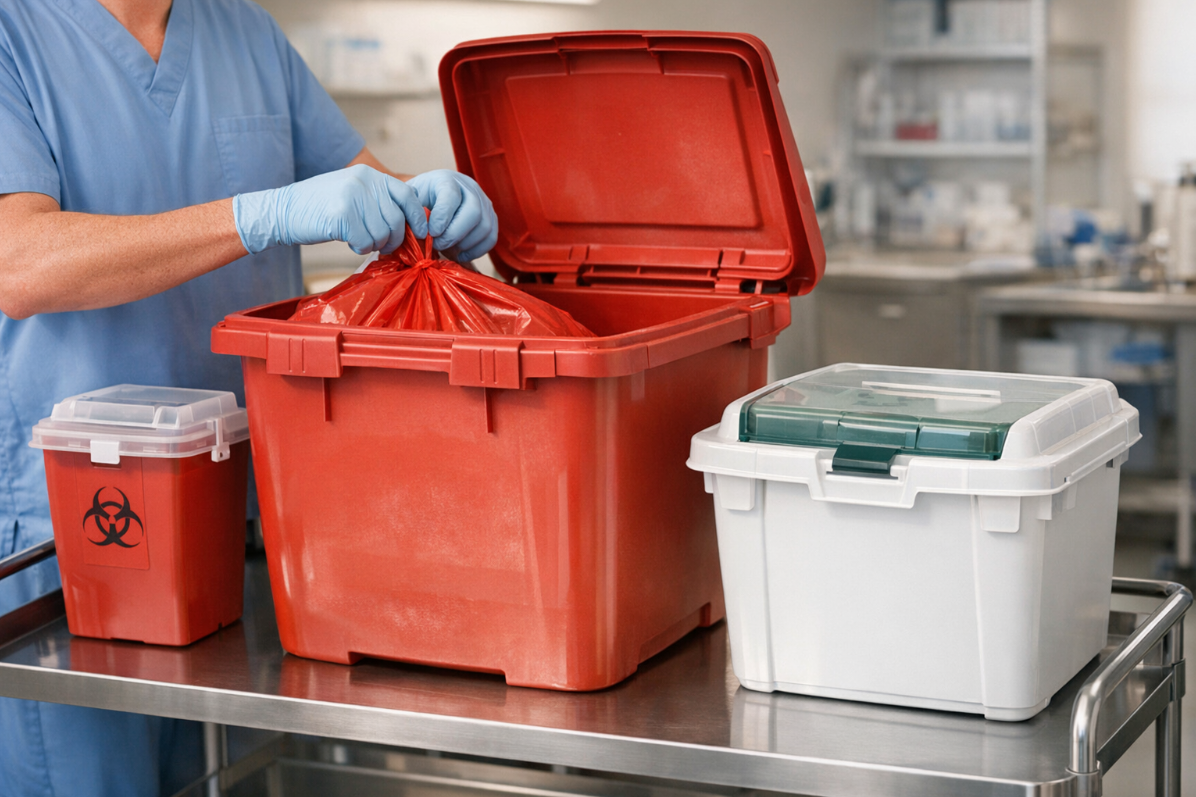
At a high level, pathological waste should be kept segregated from other regulated waste streams, stored in a secure area with controlled access, and placed into appropriate, leak-resistant containers selected for this waste type. Containers should be clearly labeled per your facility procedures, and staff should know who to notify when a container is nearing capacity. Avoid overfilling and avoid any handling steps that increase exposure risk.
Medical Waste Disposal supports safe, compliant medical waste disposal by coordinating scheduled pickup, providing guidance on container and labeling needs, and ensuring transport is handled by trained professionals. We also help streamline documentation so your facility can demonstrate responsible medical waste management, including tracking and service records. For help setting up a reliable schedule, visit medicalwastedisposal.com.
Need a smoother pickup plan? Medical Waste Disposal can help you set a consistent service schedule and reduce the risk of overflow or missed collections.
Pathological waste requires a higher level of control than many other waste streams, and the simplest way to stay ready is to standardize segregation, secure storage, and documentation. When your process is clear, your team spends less time troubleshooting and more time focused on patient care. A professional partner also helps reduce the chance of disruptions from staffing changes, procedure-day spikes, or holiday timing.
Medical Waste Disposal provides dependable medical waste disposal services designed for healthcare, lab, and veterinary environments that need safe medical waste disposal practices and audit-friendly records.
If you want compliant medical waste disposal with responsive scheduling and support, contact Medical Waste Disposal today at 800-563-3854 or visit medicalwastedisposal.com.