Controlled Substances Waste Disposal Basics
March often brings a spring-cleaning mindset, and for healthcare operations that can include reviewing medication storage areas, automated dispensing cabinets, and crash carts. One waste stream that deserves special attention during any cleanout is controlled substances waste. These are DEA-regulated medications that must be discarded due to expiration, damage, partial administration, or other approved reasons, and they require tighter controls than typical pharmaceutical waste. You may see this waste generated in hospitals, surgery centers, dental and oral surgery practices, pain management clinics, behavioral health facilities, long-term care communities, veterinary practices, and home health programs managed by a facility.
Because mishandling can create diversion risk and serious compliance exposure, controlled substances waste should be planned for—not improvised. A clear program helps protect staff, patients, and your organization’s reputation while supporting consistent documentation. Below is a practical overview of what counts as controlled substances waste, why it is regulated, and how to prepare it for professional pickup as part of a reliable medical waste management plan.
What controlled substances waste is and where it comes from
Controlled substances waste includes medications classified as controlled due to abuse potential or diversion risk, when they are no longer usable for patient care. Common examples include partially administered doses, wasted remnants from procedures, expired stock, and contaminated or damaged controlled medication units. This waste stream is frequently generated in perioperative areas, emergency departments, anesthesia services, outpatient procedural suites, hospice and long-term care medication rooms, and veterinary settings where controlled pain medications may be used.
It is important to distinguish controlled substances waste from non-controlled pharmaceutical waste, since handling, security, and documentation expectations are typically more stringent. Requirements vary by state and facility policy, so many organizations standardize procedures across departments. Treating controlled substances waste as a defined stream within your overall medical waste disposal program helps reduce confusion, support audits, and maintain consistent chain-of-custody practices.
Why it is regulated and what compliance usually involves
Controlled substances waste is regulated because of diversion risk, patient safety concerns, and the need for accountable destruction. Regulations and facility policies may require witnessed wasting, secure collection, restricted access, and detailed recordkeeping. Organizations often align their processes with a “document first, discard second” mindset to reduce gaps in accountability. Depending on your setting, oversight may involve pharmacy leadership, compliance teams, and state agencies, and may also intersect with DOT requirements during transport.
Practical compliance typically includes consistent segregation from other waste streams, clear labeling, and maintaining documentation that shows what was discarded, when, where, and by whom. A professional partner can support compliant medical waste disposal by providing appropriate containers, pickup scheduling, and disposal documentation that fits your internal audit process and helps demonstrate due diligence.
Risks of improper disposal for staff and operations
Improper handling of controlled substances waste can create real operational problems even when no one intends wrongdoing. Inadequate security or unclear procedures may increase diversion opportunities, trigger internal investigations, or lead to stressful audits. Placing controlled substances into the wrong waste stream can also cause disposal delays, rejected loads, or corrective actions that disrupt clinical workflows. From a safety standpoint, unsecured medication remnants may expose staff or patients to accidental contact, and mismanaged waste areas can invite tampering.
Beyond the immediate risk, inconsistent practices can damage trust—especially in environments where controlled medications are closely monitored. A strong medical waste management program reduces these risks by setting predictable steps, training staff on what belongs where, and ensuring secure handoff to a vendor equipped for safe medical waste disposal and proper documentation.
Secure collection and pickup readiness with Medical Waste Disposal
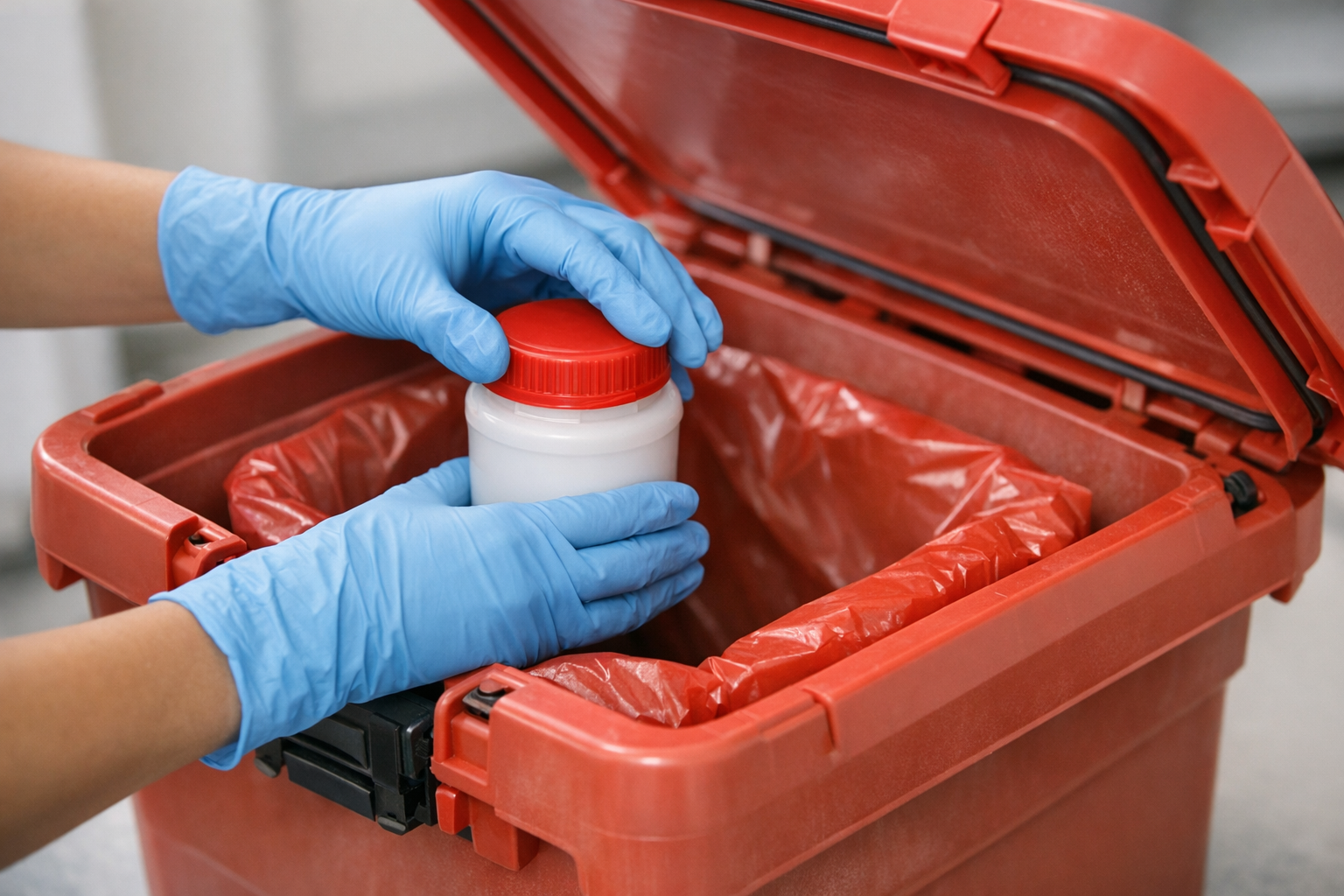
Controlled substances waste should be collected using secure methods that limit access and reduce opportunities for tampering. Businesses commonly use clearly designated, facility-approved collection systems, keep waste segregated, and ensure containers remain secured until pickup. Before transport, teams typically verify labeling, confirm that documentation is complete, and stage material in a controlled area to support a smooth chain of custody. If something doesn’t look right, it’s better to pause and escalate internally than to guess.
Medical Waste Disposal supports compliant medical waste disposal by helping businesses set up reliable pickup schedules, providing guidance on container selection at a high level, and managing transport and final disposal through established processes. For help building a repeatable program for controlled substances waste, visit medicalwastedisposal.com to request service information or schedule a consultation.
Controlled substances waste is not a stream to treat casually. With clear segregation, secure collection, and consistent documentation, your team can reduce diversion risk, protect staff, and avoid preventable compliance headaches. Medical Waste Disposal provides dependable medical waste disposal services designed for healthcare operations that need accountability from point of generation through final destruction. If you want a safer, more organized approach—especially during inventory changes, facility expansions, or policy refreshes—partnering with an experienced provider is the most practical path.
To set up or improve your controlled substances waste program, contact Medical Waste Disposal today. Get compliant support, straightforward scheduling, and documentation that fits your workflow. Visit medicalwastedisposal.com or call 800-563-3854 to request pickup service and build a plan for safe medical waste disposal.